
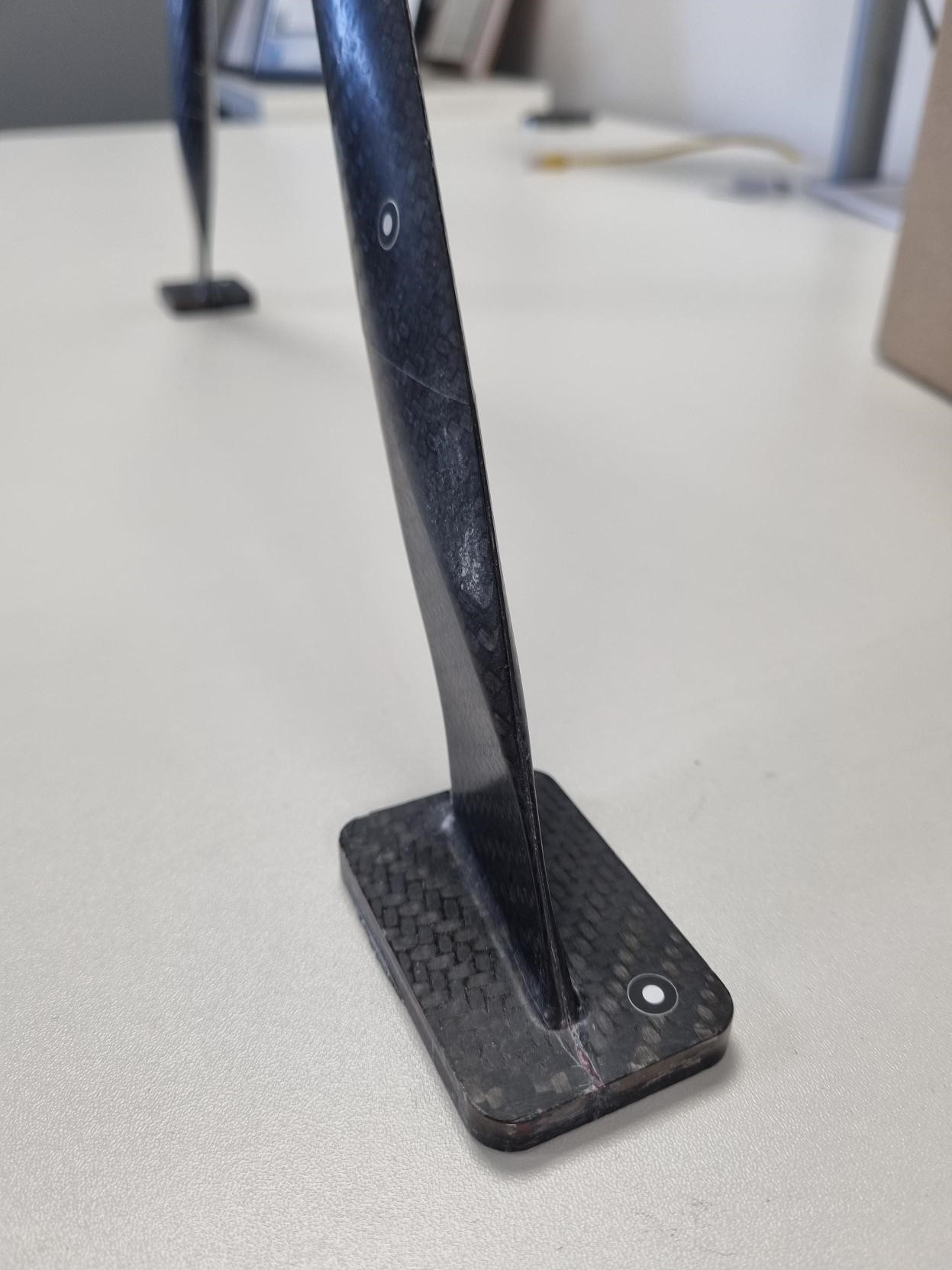
As I said in part 1, when I arrived at Prost Grand Prix, I saw that John Barnard had taken a very different approach during his time at Ferrari, to the issue of spherical bearings in suspension members. Namely the flexure.
Simple, brilliant: instead of a rotating spherical bearing, use a leaf spring—originally a steel plate welded to fabricated wishbones, then later machined Titanium versions bonded to carbon wishbones.
Movement comes from bending the spring, not rotating a joint.
✅ No friction.
✅ No wear.
✅ Elegant solution for F1, where long suspension arms and low ride heights mean small deflection angles and low stress.
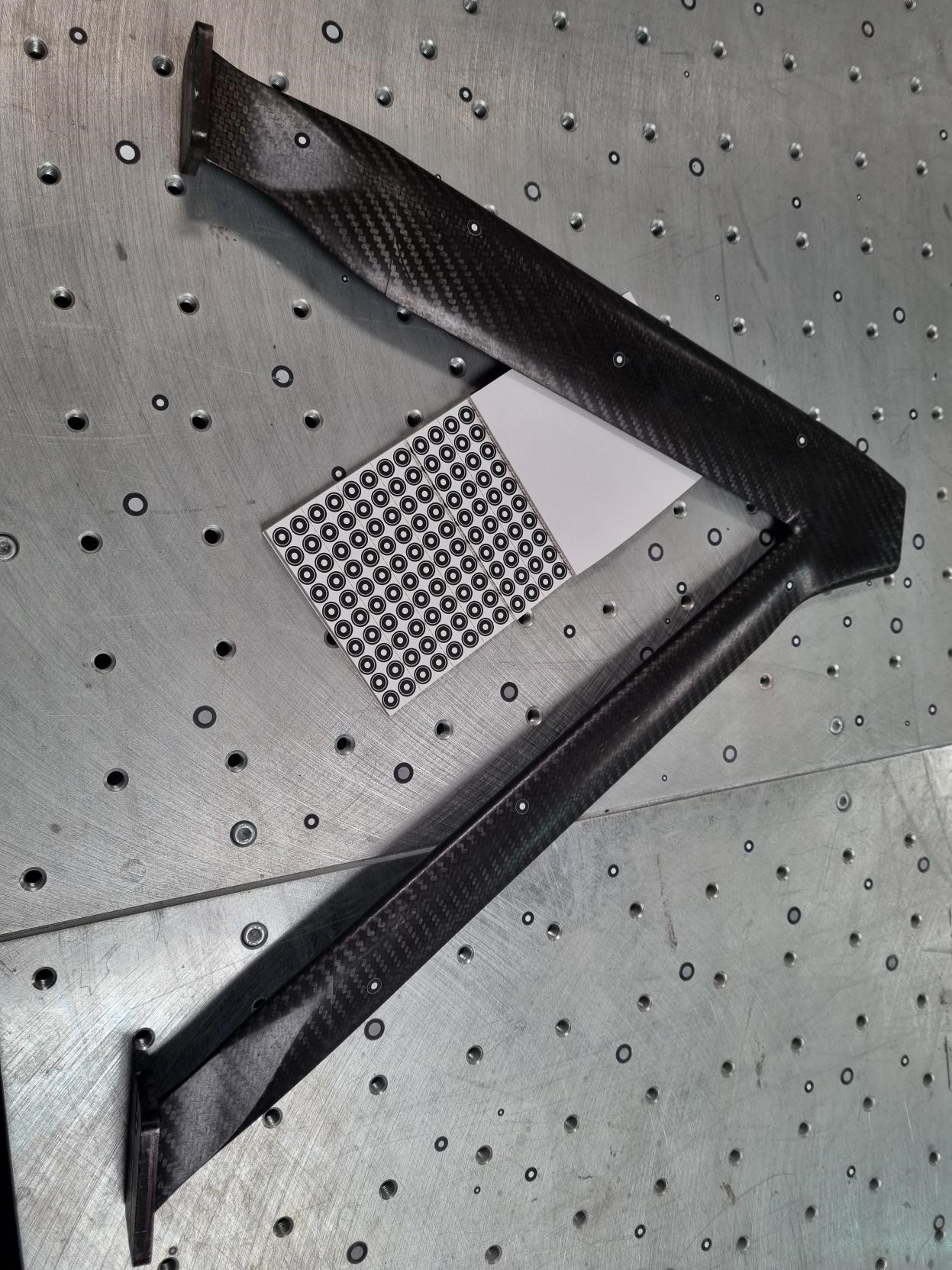
My (very clever) colleague and our Technical Director Dan Fleetcroft, took it further—developing a fully integrated carbon flexure manufactured as part of the carbon wishbone itself.
The science and engineering were sound and because of the degree of understanding we had around the use of flexures in metal, and the innovative nature we had around composite engineering and manufacture the leap to a full carbon wishbone with integrated carbon flexure was the logical next step.
Quote from John Barnard on the original development of them.
On the flexure-pivot wishbones on the 1994 car.
“Nice design problem – you must do your sums right on buckling – and an elegant solution. The flexure-pivots were also a classic example of Ferrari politics. In 1994 we struggled to make the cars go well enough, and Alesi stirred up a lot of trouble over them because no one else had them on their cars, so we must be wrong. He worked the Maranello political system until we built ball-jointed versions and tested back-to-back at Ricard – no difference, of course. So we ended up with Alesi’s car on ball-joints, and Berger’s on flexures.
“For 1995 I went ball-jointed for an easy life, but will go back to flexure-pivots for 1996. They are simpler, neater, lighter.
The manufacturing method involves what is known as closed moulding, where there is an machinable, expanding foam core around which is wrapped the carbon fibre, before being placed inside 2 halves of a mould. The layup of the flexure area is precisely determined and the two halves of the mould form this exact gap. There’s no foam core in the flexure area the compression of closing the two halves of the mould achieves the consolidation of the flexure, and the expansion of the foam core during the autoclave curing of the composite materials consolidates the main body layup of the wishbone.
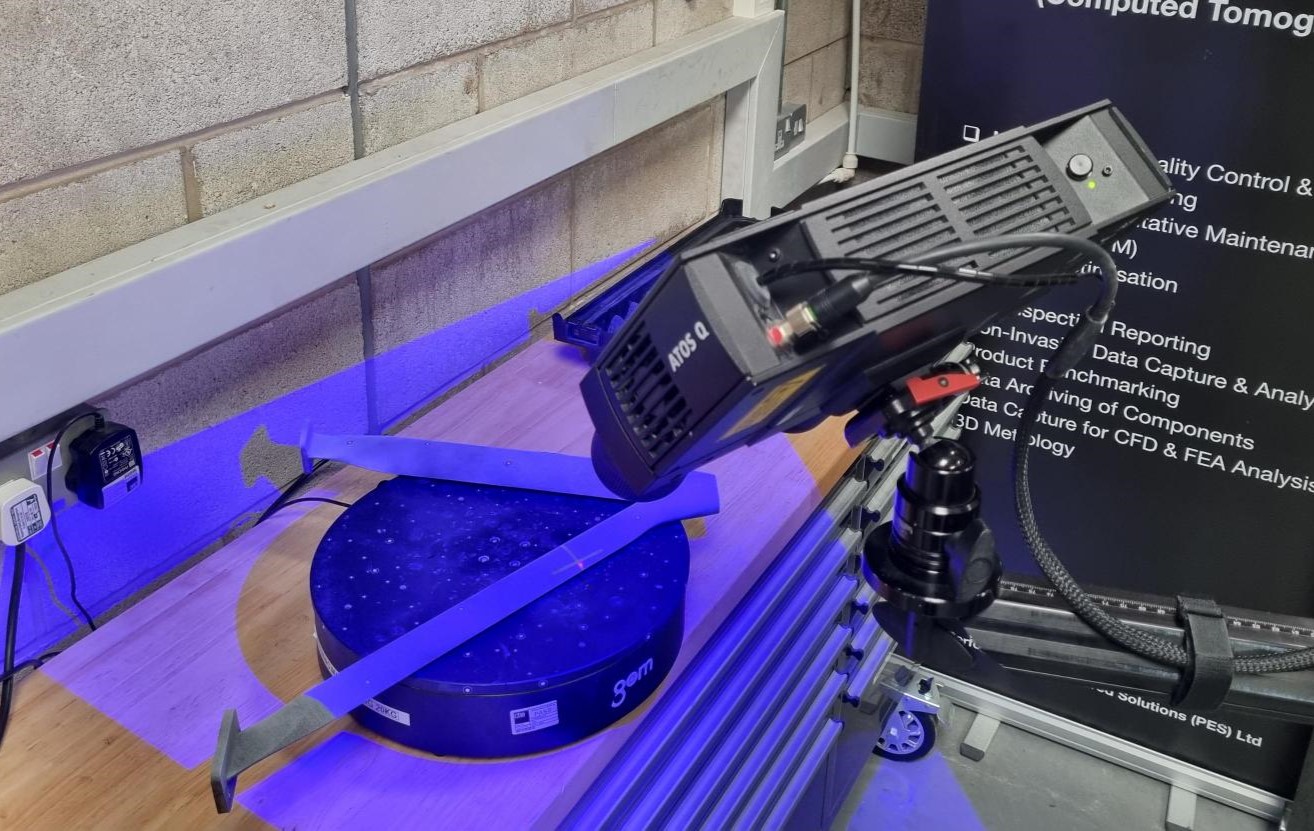
In order to communicate the concept better, for young engineers looking for a career in motorsport, we have 3D scanned the component to make it available to investigate. If you’d like to have this scan data file, please contact us.