
I’m starting a new series focused on an innovation that really captured my imagination during my time in F1.
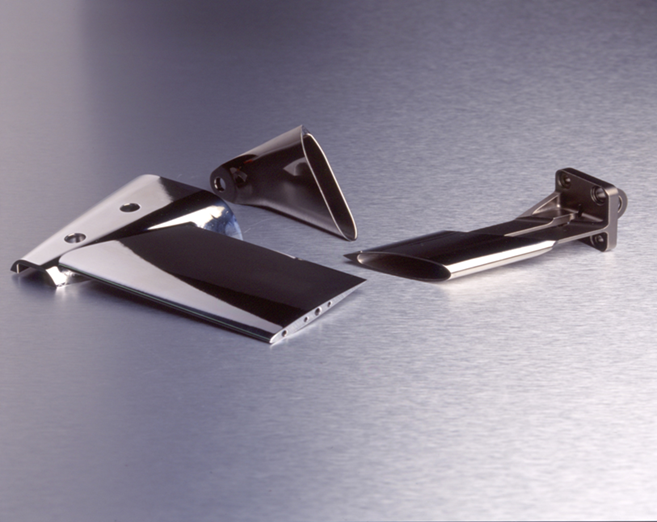
Let’s rewind to 1999, when I joined Prost Grand Prix. Before that, at Multimatic/Dynamic Suspensions, I worked with several ex-Lotus F1 engineers who shared a story that stuck with me…
Back in the early-to-mid ’90s, Lotus had been testing suspension bearing friction with Alex Zanardi. He could feel the difference between brand-new and “run-in” spherical bearings—and his lap times proved it.
At that time, these bearings were replaced after every race weekend due to wear. The Lotus solution? Use an electric drill to spin up the ball and “run in” the bearing before fitting. Ingenious, but not ideal.
When I got to Prost, I saw that John Barnard had taken a very different approach during his time at Ferrari.
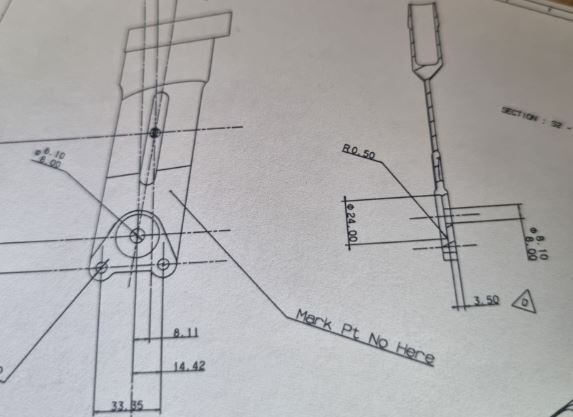
The Flexure.
Simple, brilliant: instead of a rotating spherical bearing, use a leaf spring—originally welded to fabricated wishbones, later bonded to carbon.
Movement comes from bending the spring, not rotating a joint.
✅ No friction.
✅ No wear.
✅ Elegant solution for F1, where long suspension arms and low ride heights mean small deflection angles and low stress.
By the time these flexures made it onto the Prost, they were beautifully machined titanium parts bonded to carbon wishbones.
Later on, my (very clever) colleague and our Technical Director Dan Fleetcroft, took it further—developing a fully integrated carbon flexure bonded into the wishbone itself.
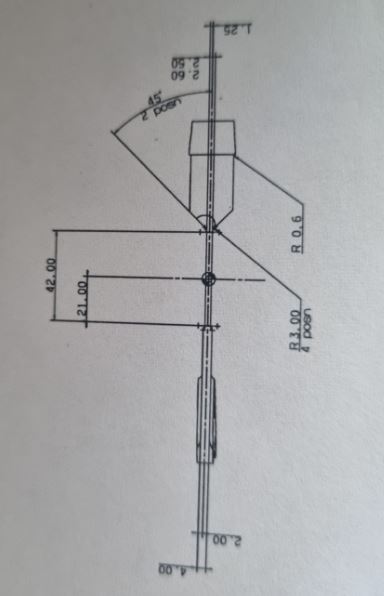
In future posts, I’ll explore this evolution and share design details as we have 3D scanned the 1st ever carbon flexure test wishbone —now proudly on display in our office.
Quote from John Barnard on the original development of them.
On the flexure-pivot wishbones on the 1994 car.
“Nice design problem – you must do your sums right on buckling – and an elegant solution. The flexure-pivots were also a classic example of Ferrari politics. In 1994 we struggled to make the cars go well enough, and Alesi stirred up a lot of trouble over them because no one else had them on their cars, so we must be wrong. He worked the Maranello political system until we built ball-jointed versions and tested back-to-back at Ricard – no difference, of course. So we ended up with Alesi’s car on ball-joints, and Berger’s on flexures.
“For 1995 I went ball-jointed for an easy life, but will go back to flexure-pivots for 1996. They are simpler, neater, lighter.
Stay tuned. There’s some fascinating engineering history coming up. Part 2 is here.