
Author: admin
-
As I said in part 1, when I arrived at Prost Grand Prix, I saw that John Barnard had taken a very different approach during his time at Ferrari, to the issue of spherical bearings in suspension members. Namely the flexure. Simple, brilliant: instead of a rotating spherical bearing, use a leaf spring—originally a steel…
-
I’m starting a new series focused on an innovation that really captured my imagination during my time in F1. Let’s rewind to 1999, when I joined Prost Grand Prix. Before that, at Multimatic/Dynamic Suspensions, I worked with several ex-Lotus F1 engineers who shared a story that stuck with me…Back in the early-to-mid ’90s, Lotus had…
-
Manufacturing companies often rely on specialist machinery that has delivered reliable service for decades. However, as equipment ages, a common challenge begins to emerge—the original manufacturer no longer supports the machine, spare parts become unavailable, and technical documentation may have long since disappeared. For many organisations, replacing an entire production line simply because of a…
-
Additive manufacturing has transformed far more than industrial engineering and product development—it is now revolutionising the creative industries as well. From film production and cosplay to experiential marketing and promotional displays, large-scale 3D printing is enabling creators to bring ambitious concepts to life faster, more accurately, and more cost-effectively than ever before. With the introduction…
-
In today’s fast-paced engineering and manufacturing sectors, reducing lead times without compromising quality has become a major competitive advantage. Traditional tooling methods can often be time-consuming, labour-intensive, and expensive—particularly when producing complex composite moulds and patterns. Advanced resin-based 3D printing is changing this landscape, offering a faster and more cost-effective approach to tooling manufacture while…
-
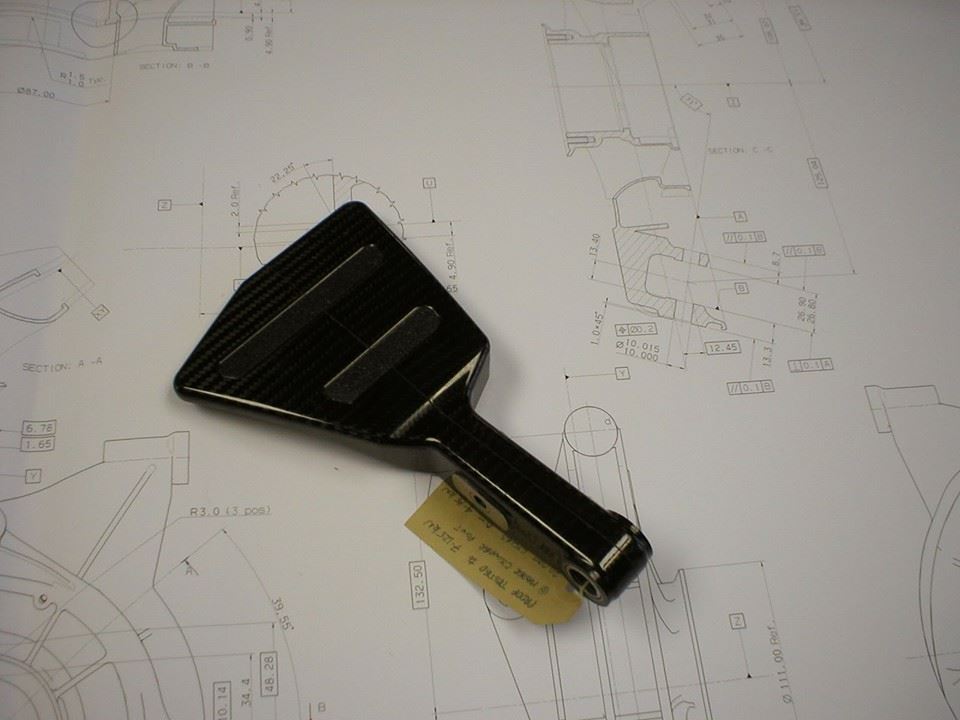
I wrote a LinkedIn post about how my first job in Formula one was designing the brake pedal for the Prost AP02, I’d like to share the next significant development: transitioning to a carbon fibre brake pedal. This innovation saved considerable weight and increased stiffness, although we faced initial resistance due to safety concerns. With…
-
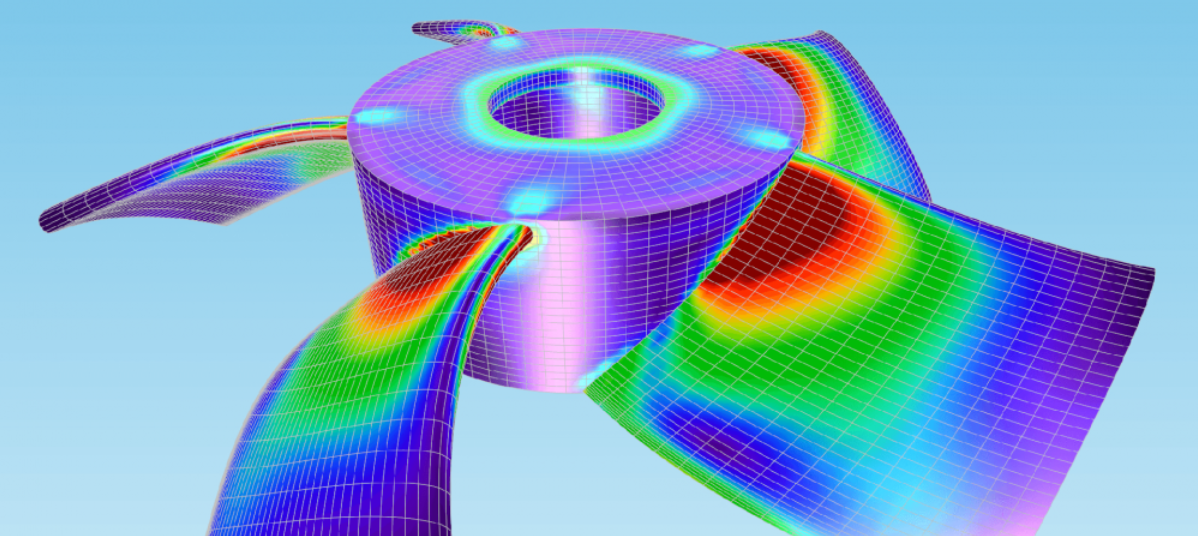
Delivering successful outcomes in defence and nuclear environments requires more than standard engineering support—it demands innovation, precision, and the ability to solve highly complex challenges under strict regulatory and operational constraints. From ageing infrastructure and legacy systems to hazardous environments and evolving compliance requirements, organisations need practical solutions that reduce risk while improving efficiency. This…
-

Innovation in motorsport and automotive engineering has always been driven by the pursuit of performance, precision, and speed. Over the past few decades, 3D technology has transformed how engineers design, test, and manufacture components—reshaping the entire development lifecycle. From early experimentation in Formula 1 to widespread adoption across high-performance automotive sectors, 3D printing and scanning…
-
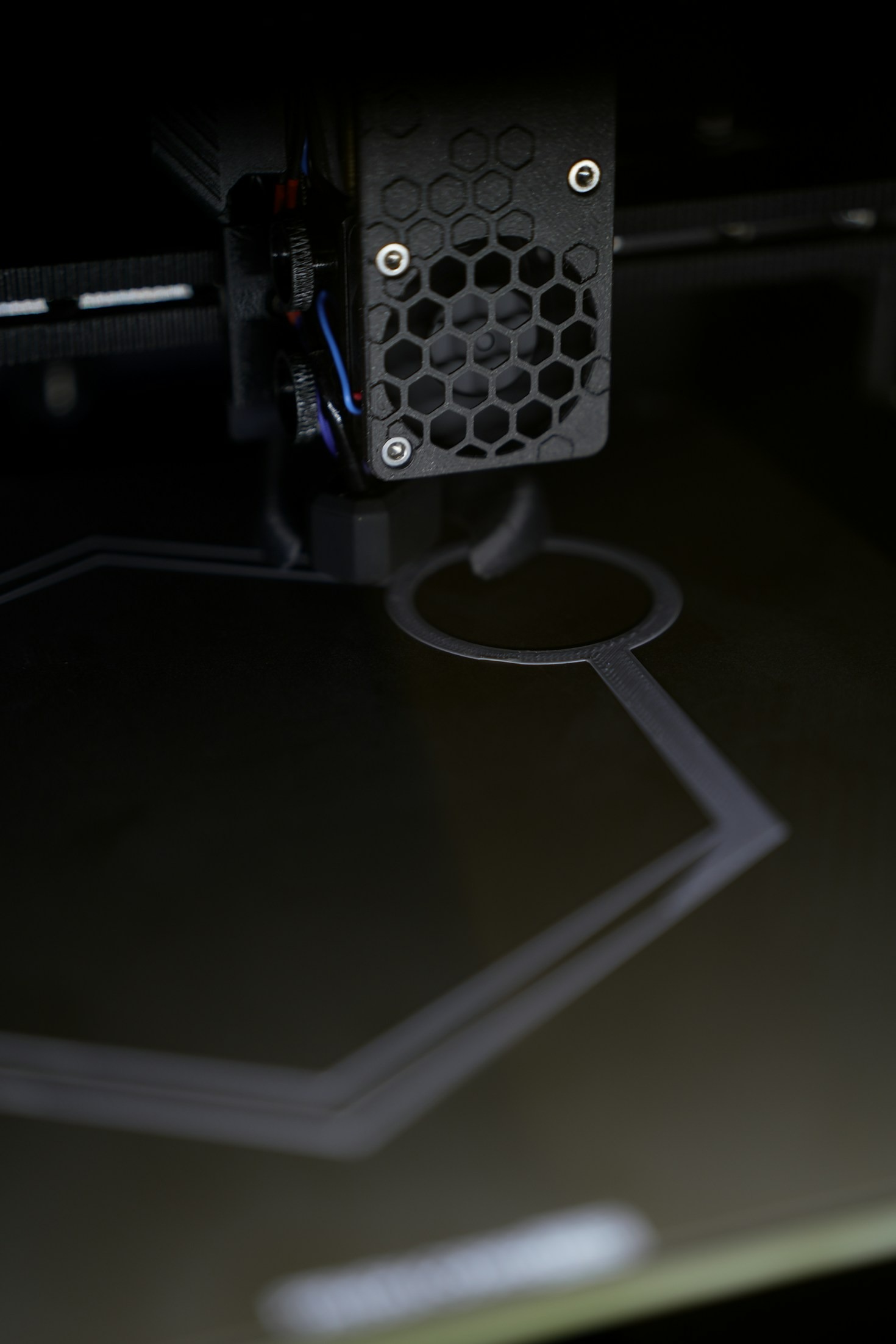
Engineering challenges at the highest level are rarely straightforward. They demand not only technical excellence, but also creativity, adaptability, and the ability to operate across industries, disciplines, and constraints. From high-performance motorsport to renewable energy and advanced materials, complex projects require a consultancy approach that blends deep engineering knowledge with practical delivery. In environments where…
-
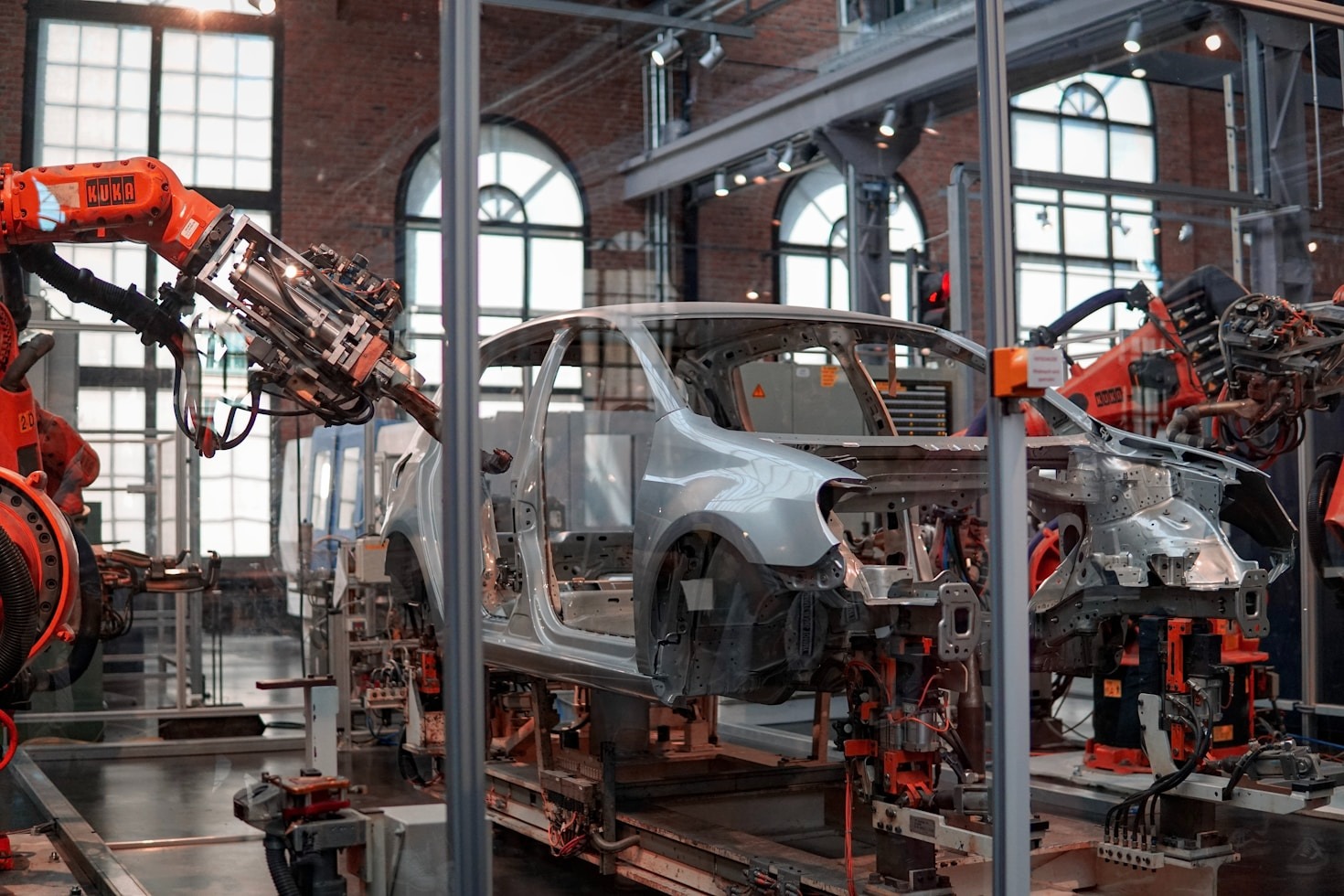
3D printing has rapidly evolved from a prototyping tool into a powerful driver of innovation across multiple industries. Its ability to transform digital designs into functional components with speed and precision is reshaping how engineers approach manufacturing challenges. From aerospace and defence to medical and marine applications, additive manufacturing enables faster development cycles, reduced material…