

Innovation in motorsport and automotive engineering has always been driven by the pursuit of performance, precision, and speed. Over the past few decades, 3D technology has transformed how engineers design, test, and manufacture components—reshaping the entire development lifecycle. From early experimentation in Formula 1 to widespread adoption across high-performance automotive sectors, 3D printing and scanning now play a central role in delivering competitive advantage. Today, these technologies are not just tools, but essential enablers of rapid innovation, allowing teams to move from concept to track-ready solutions faster than ever before.
“Innovation accelerates when imagination meets precision—turning complex ideas into tangible performance.”
The roots of this transformation can be traced back to early adoption within Formula 1, including pioneering work on cars such as the Prost AP02. During this period, 3D printing was first utilised to produce complex aerodynamic components that would have been difficult—or impossible—to manufacture using traditional methods. As the technology matured, it quickly became standard practice for producing wind tunnel model parts, enabling rapid iteration and more efficient aerodynamic testing. The introduction of metal additive manufacturing further expanded possibilities, allowing engineers to create functional, race-ready components with optimised geometries, reduced weight, and enhanced performance characteristics.
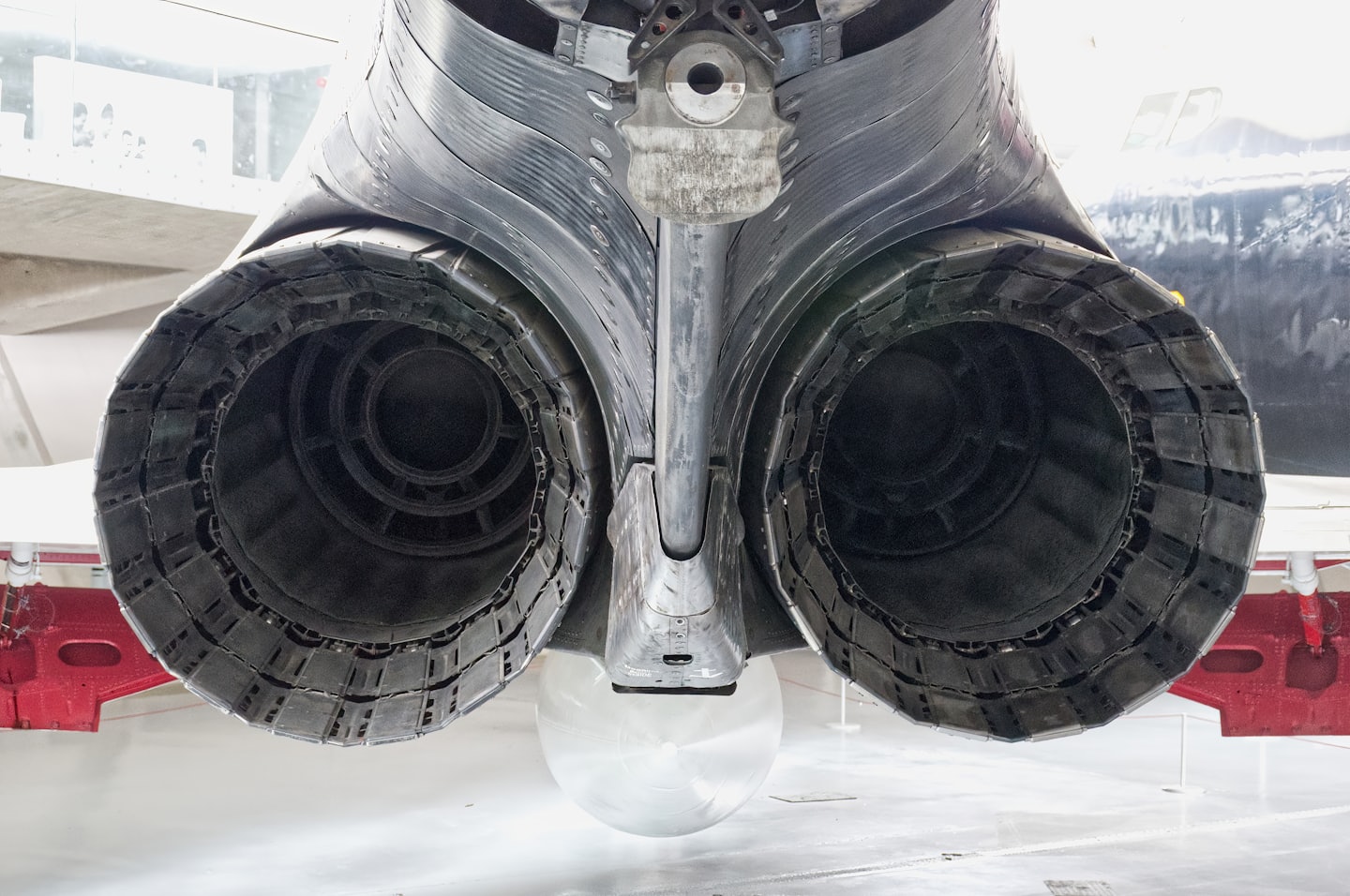
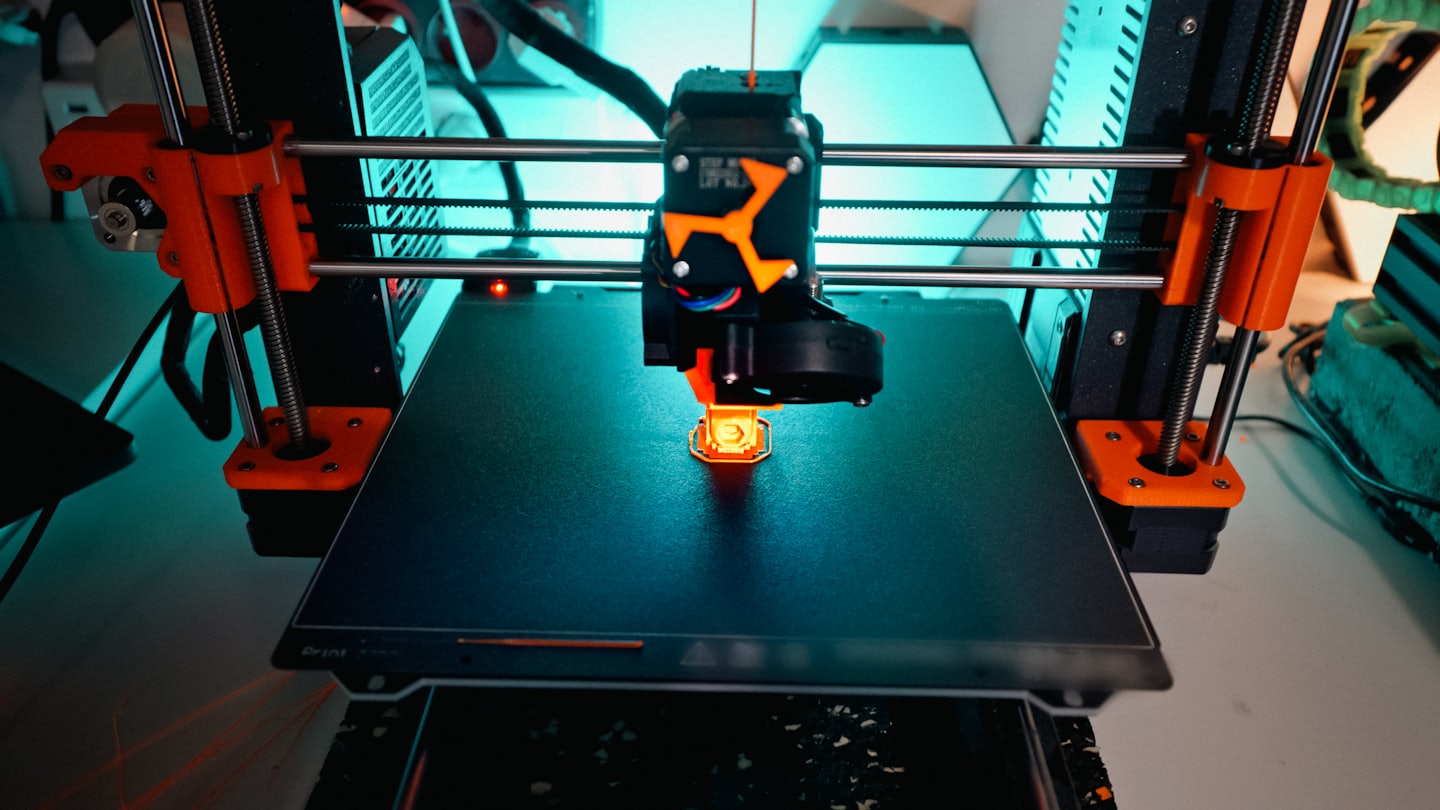
Alongside additive manufacturing, 3D scanning has played a critical role in advancing engineering capability. Early investment in high-end optical scanning systems enabled precise metrology and reverse engineering, ensuring that new components could be developed to fit within tightly controlled design envelopes. This expertise has also been applied extensively beyond motorsport, including the 3D scanning and reverse engineering of legacy parts for classic vehicles, where original drawings are often unavailable or incomplete. By recreating accurate digital models, components can be reproduced, improved, or adapted while preserving the integrity of the original design. In addition, large-scale vehicle scanning for OEM competitor benchmarking exercises has enabled detailed comparative analysis, giving manufacturers valuable insight into packaging, geometry, and design strategies across the market.
This capability proved invaluable not only in motorsport but also in the development of high-performance road vehicles, including projects within the supercar space such as those associated with Porsche. By combining scan data with advanced design tools, engineers were able to create bespoke components, often manufactured from carbon fibre, that met exacting performance and packaging requirements. This seamless integration of digital capture and physical production significantly reduced development time while improving overall accuracy.
As the industry continues to evolve, the application of 3D technology is expanding even further. Today, it supports the production of rapid prototypes, topologically optimised components, and bespoke tools and fixtures that enhance manufacturing efficiency. One of the most exciting developments is the use of additive manufacturing for rapid mould tooling, enabling faster turnaround for composite parts and unlocking new levels of agility in production. These advancements are not only accelerating development cycles but also enabling more sustainable and cost-effective engineering practices, particularly in environments where speed and precision are critical.
Wrapping Up with Key Insights
The journey of 3D technology in motorsport and automotive engineering reflects a broader shift toward smarter, faster, and more adaptable manufacturing processes. From its early use in Formula 1 to its current role in producing optimised components, reverse engineered legacy parts, and rapid tooling solutions, 3D technology continues to redefine what is possible. By combining additive manufacturing, advanced scanning, and innovative design approaches, organisations can unlock new levels of performance and insight—from preserving classic vehicles to benchmarking modern OEM designs. As the technology continues to advance, those who embrace it will remain at the forefront of engineering innovation.
Leave a Reply
You must be logged in to post a comment.