
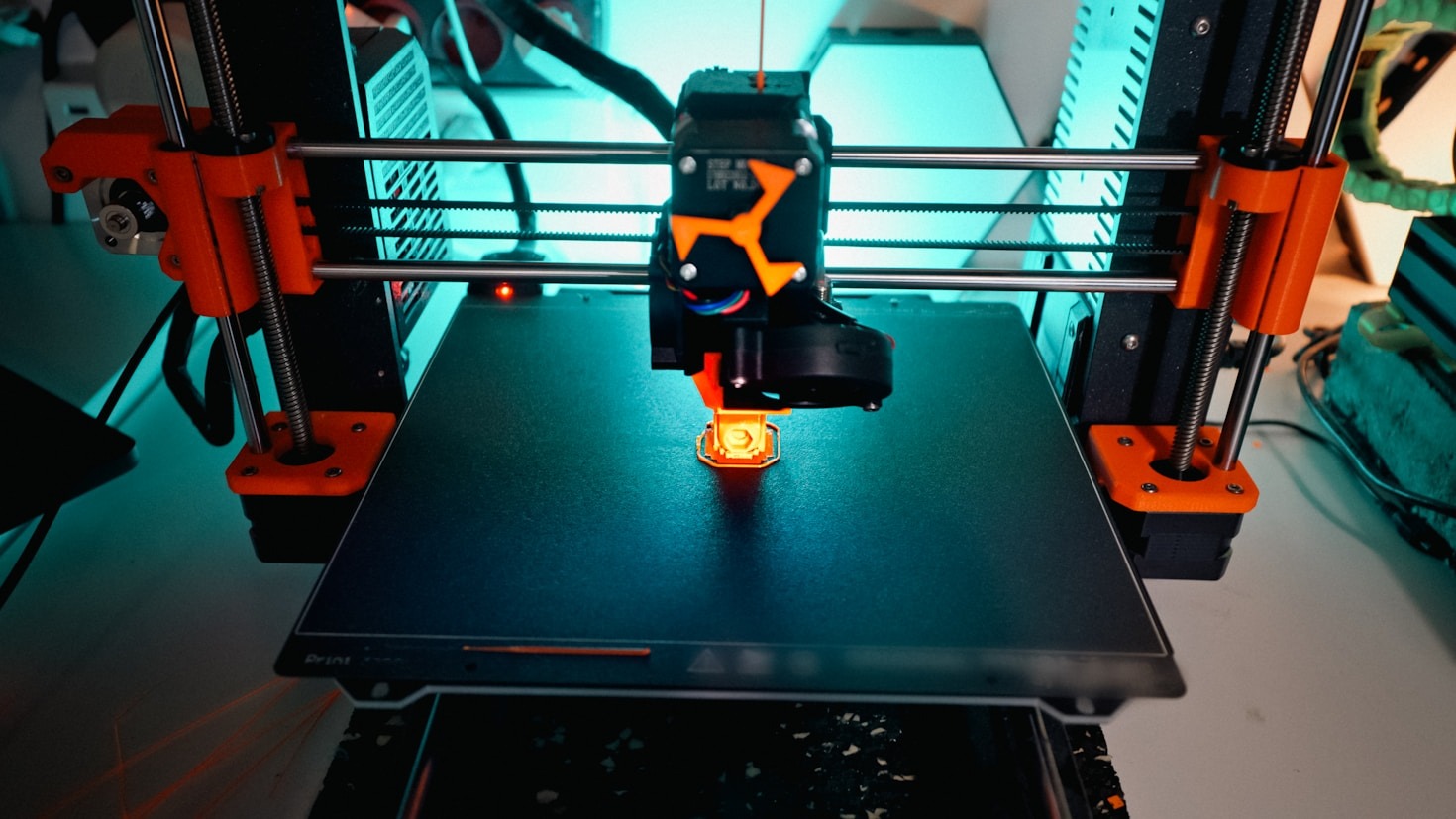
In today’s fast-paced and highly technical industries, maintaining operational continuity often depends on the ability to adapt, repair, and improve existing systems. Reverse engineering has become a vital tool in achieving this, particularly where legacy components, obsolete parts, or undocumented designs present challenges. By combining advanced 3D scanning technologies with engineering expertise, organisations can recreate, refine, and enhance components that are critical to performance. This approach not only extends asset life but also provides opportunities to introduce improvements that align with modern standards and operational demands.
“To understand how something was made is to unlock the ability to make it better.”
Reverse engineering in modern industry goes far beyond simply copying an existing part. It is a structured and highly skilled process that often begins with high-precision 3D scanning, capturing accurate digital representations of components—frequently within tight timeframes while parts are undergoing servicing or overhaul. This enables the creation of reliable digital models that can be used to manufacture spare parts at a later stage, reducing downtime and eliminating dependency on unavailable or outdated documentation. In many cases, this process becomes an essential part of long-term asset management strategies, ensuring that critical systems remain operational even when original supply chains no longer exist.
As projects progress, reverse engineering also provides an opportunity for optimisation. This may involve Design for Manufacture (DfM) improvements, making components easier or more cost-effective to produce using modern methods. It can also include performance enhancements, where parts are refined to deliver improved efficiency, durability, or functionality during system overhauls. In some cases, reverse engineered components are adapted to meet entirely new operational requirements, supporting broader system upgrades or evolving performance expectations. This combination of replication and improvement ensures that reverse engineering delivers both immediate and long-term value.
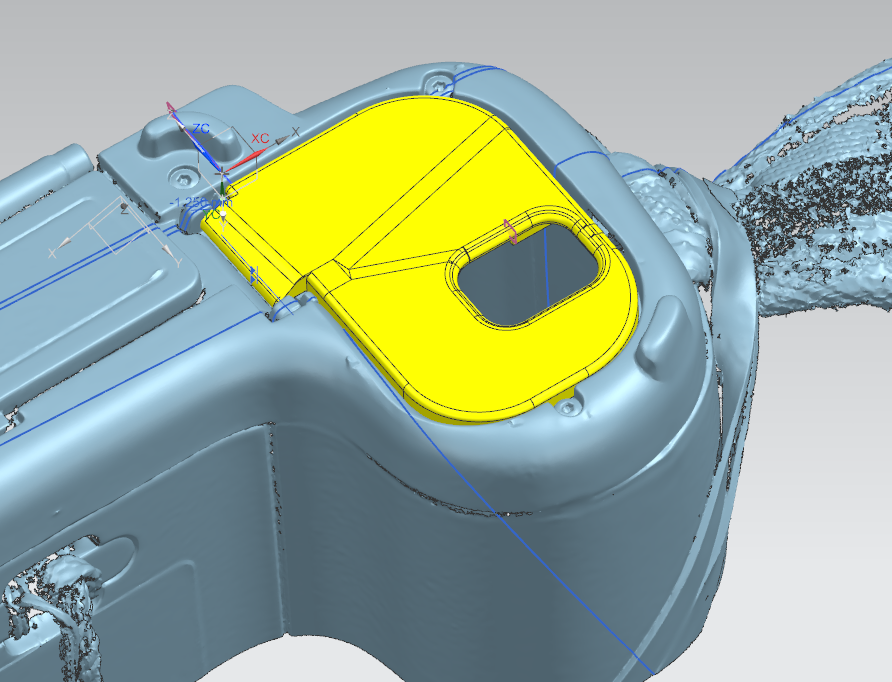
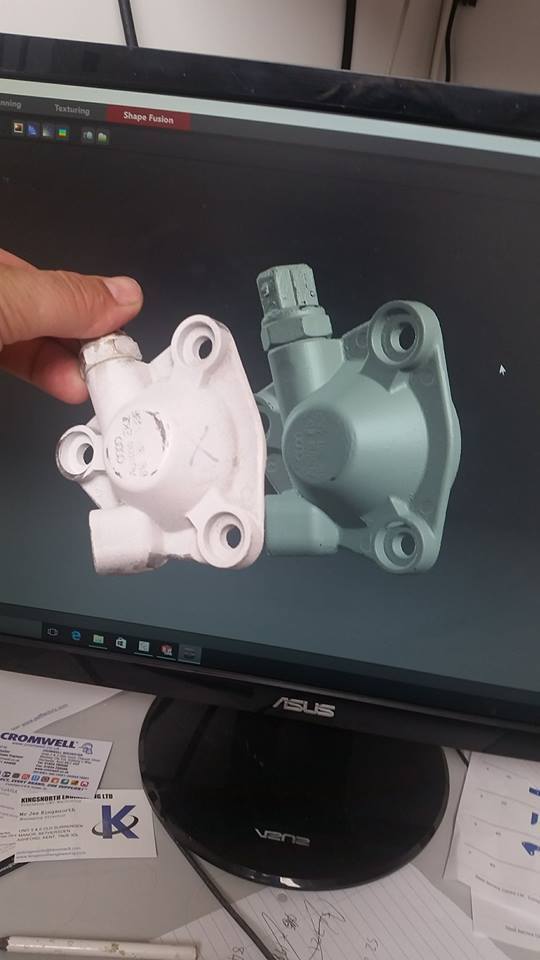
Crucially, reverse engineering is a design discipline in its own right. It requires a deep understanding of manufacturing techniques to interpret the original design intent, as well as the ability to identify wear patterns and make informed assumptions about the component’s original specification. Engineers must also understand the wider system in which the component operates, ensuring that critical features are recognised and preserved. This holistic approach allows reverse engineered parts to not only match but often exceed the performance of the originals, providing confidence in their reliability and suitability for modern applications.
Wrapping Up with Key Insights
Reverse engineering plays a pivotal role in modern industry by bridging the gap between legacy systems and future innovation. Through the integration of advanced 3D scanning and expert engineering insight, organisations can recreate essential components, improve performance, and adapt to changing demands. Far from being a simple replication process, reverse engineering is a sophisticated discipline that combines technical knowledge, practical experience, and strategic thinking. For industries reliant on complex systems and long asset lifecycles, it remains an indispensable capability for sustaining performance and driving continuous improvement.
Leave a Reply
You must be logged in to post a comment.