
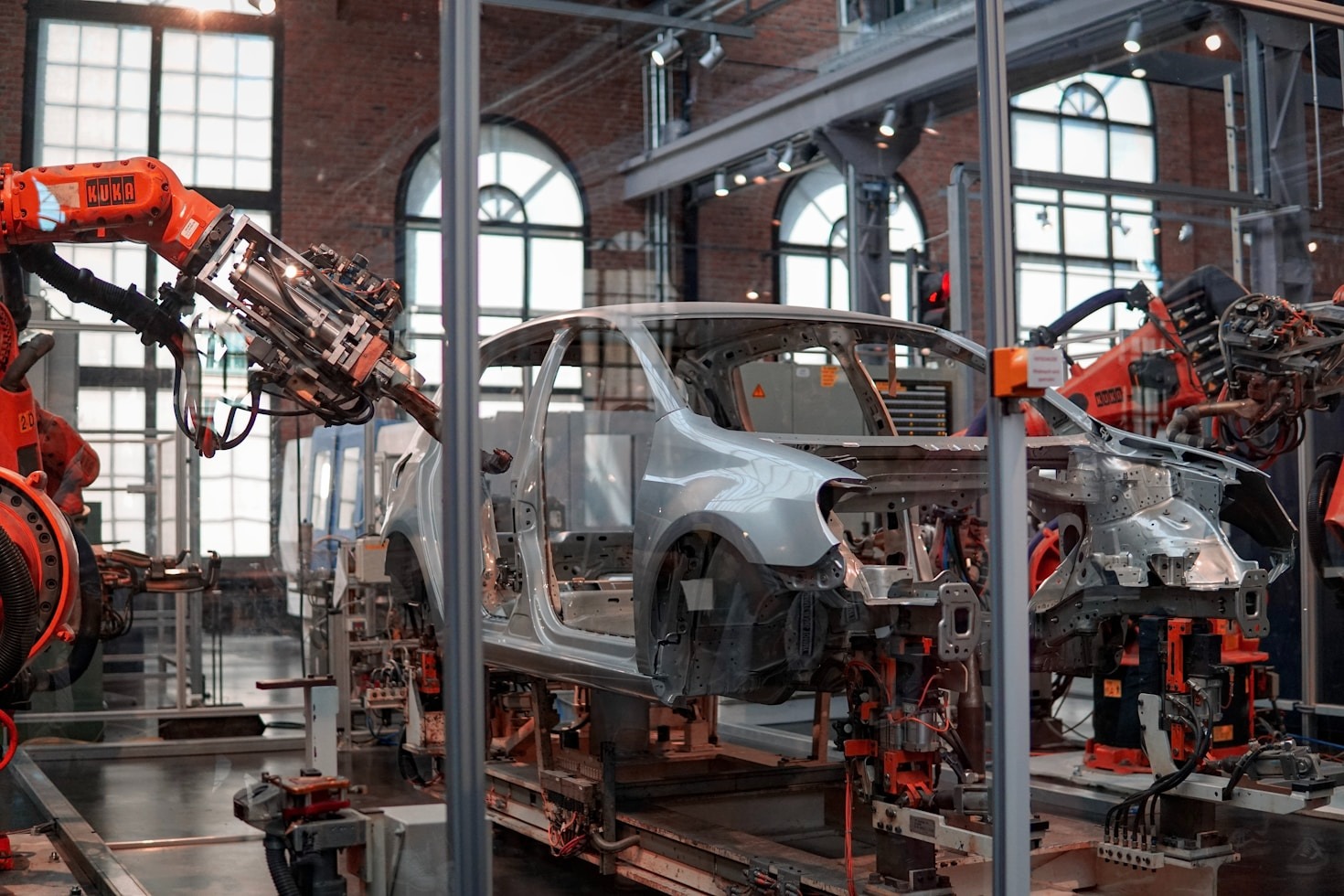
3D printing has rapidly evolved from a prototyping tool into a powerful driver of innovation across multiple industries. Its ability to transform digital designs into functional components with speed and precision is reshaping how engineers approach manufacturing challenges. From aerospace and defence to medical and marine applications, additive manufacturing enables faster development cycles, reduced material waste, and the creation of geometries that would be impossible using traditional methods. As organisations seek more agile and cost-effective solutions, 3D printing is becoming an essential technology for delivering real-world engineering impact.
“Innovation thrives where limitations are removed—and 3D printing is removing them one layer at a time.”
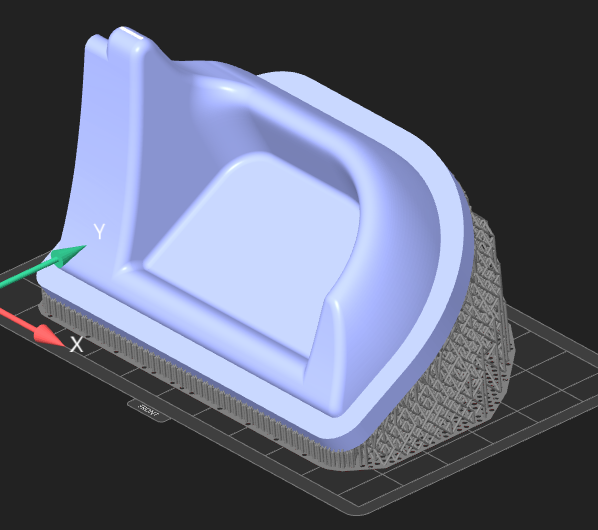
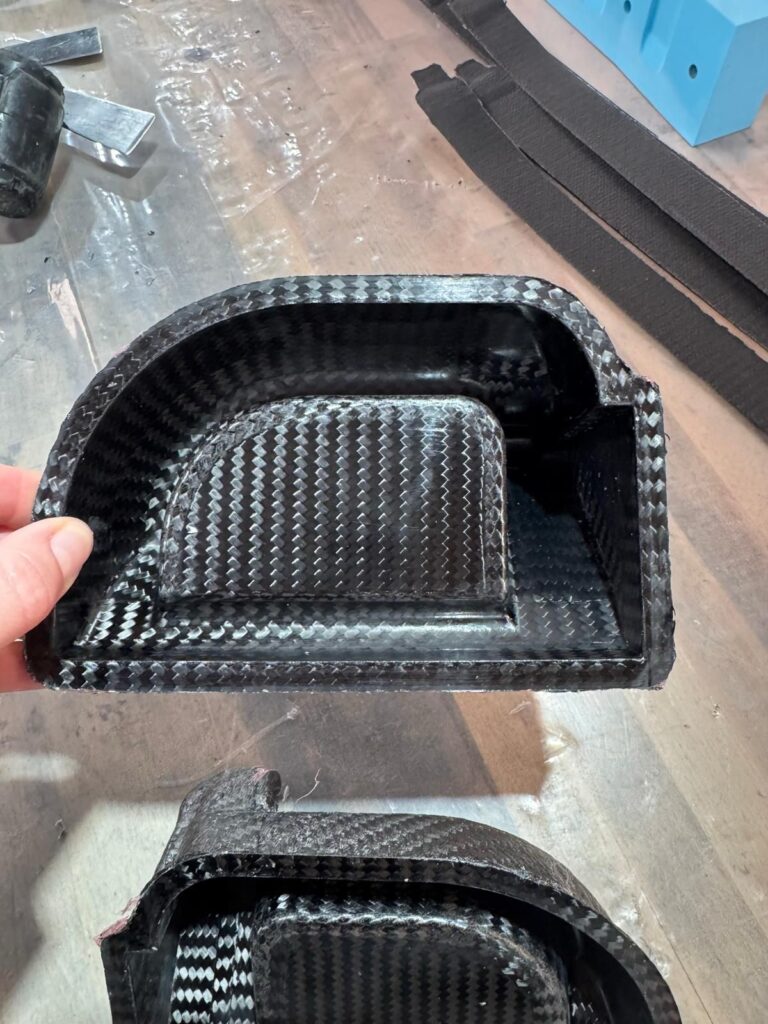
One of the most exciting areas of advancement lies in the development of high-temperature mould tooling for composite manufacturing. By leveraging 3D printing, it is now possible to produce mould tools directly, eliminating the need for lengthy and costly traditional tooling processes. Through the development of specialised materials and refined printing techniques, these tools can withstand the demanding thermal environments required for composite curing. This not only accelerates production timelines but also allows for rapid design iteration, enabling engineers to optimise components more efficiently and respond quickly to changing requirements.
Another area where 3D printing is pushing boundaries is in the production of pressure vessels for deep-sea applications. Traditionally, these components require complex manufacturing processes to ensure structural integrity and resistance to extreme pressures. Additive manufacturing introduces unique challenges—particularly in preventing water ingress through the layered structure of FDM (Fused Deposition Modelling) parts. However, through advanced process control, hybrid manufacturing techniques, and intelligent system design, it has become possible to overcome these limitations. The result is the ability to rapidly design, test, and refine pressure vessels at a significantly lower cost, unlocking new opportunities for subsea exploration and engineering.
Beyond industrial applications, 3D printing is also making a meaningful impact in the medical field. Rapid development capabilities have enabled the creation of custom medical devices to support the treatment of injured personnel, particularly in demanding environments where speed and adaptability are critical. By tailoring designs to specific needs and producing them quickly, 3D printing provides practical solutions that can enhance recovery outcomes and improve patient care. This adaptability highlights the broader potential of additive manufacturing to deliver value not only in performance-driven industries but also in areas where human impact is paramount.
Wrapping Up with Key Insights
3D printing is driving innovation across sectors by enabling faster, smarter, and more flexible engineering solutions. From high-temperature composite tooling and deep-sea pressure vessels to life-saving medical devices, its applications continue to expand as technology advances. By combining material development, process control, and intelligent design, organisations can unlock new possibilities that were previously out of reach. As industries continue to embrace additive manufacturing, those who invest in its capabilities will be best positioned to lead the next wave of engineering innovation.
Leave a Reply
You must be logged in to post a comment.