
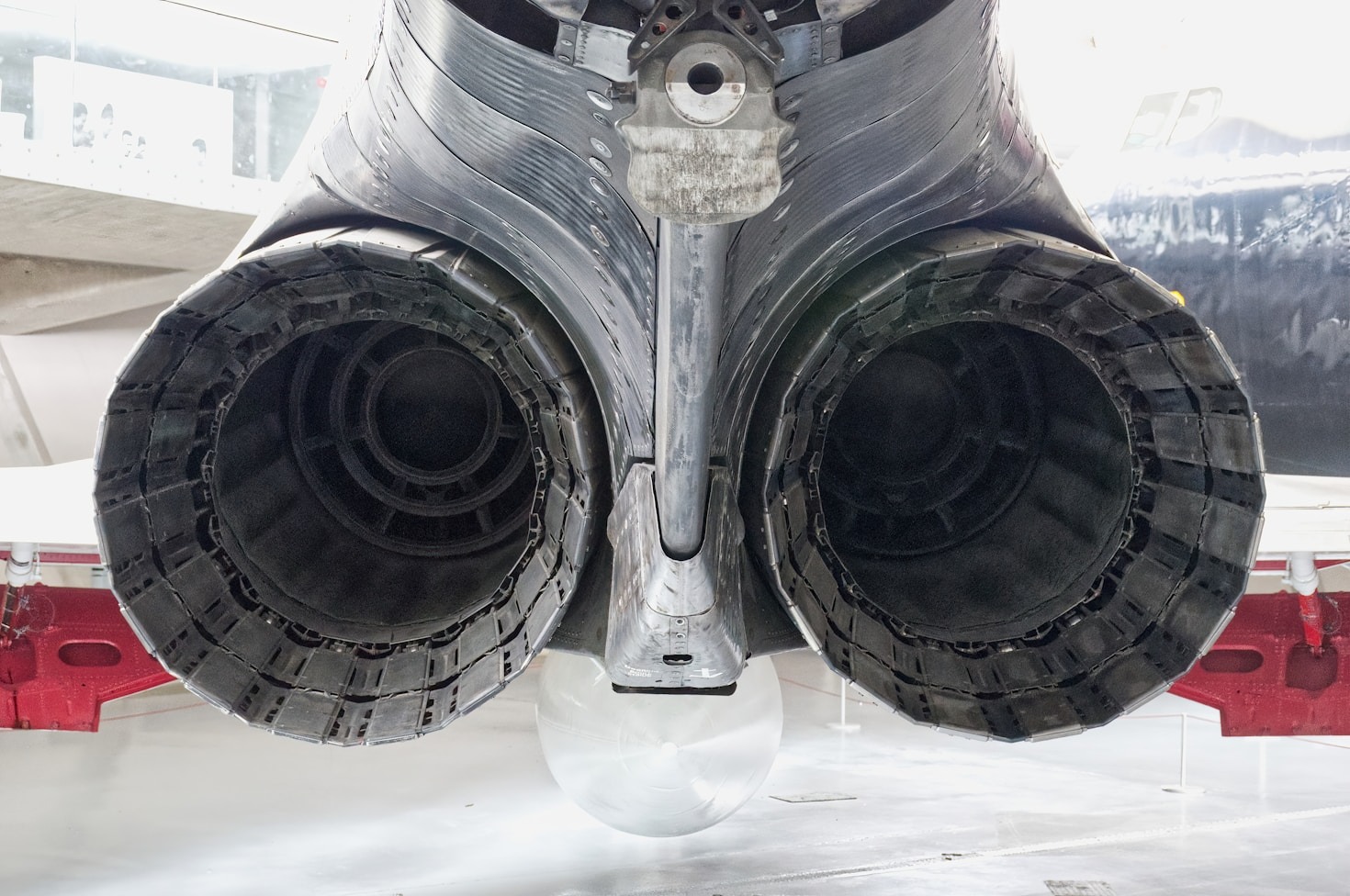
In an increasingly digital and precision-driven world, engineering success depends on the ability to accurately capture, analyse, and adapt real-world data. Optical 3D scanning has emerged as a transformative technology, enabling engineers to bridge the gap between physical components and digital design with unprecedented speed and accuracy. From complex geometries to large-scale assemblies, this technology provides detailed insights that support everything from quality control to product development. As industries continue to demand faster turnaround times and higher performance standards, optical 3D scanning is playing a central role in redefining how engineering challenges are approached and solved.
“What you can measure with precision, you can improve with confidence.”
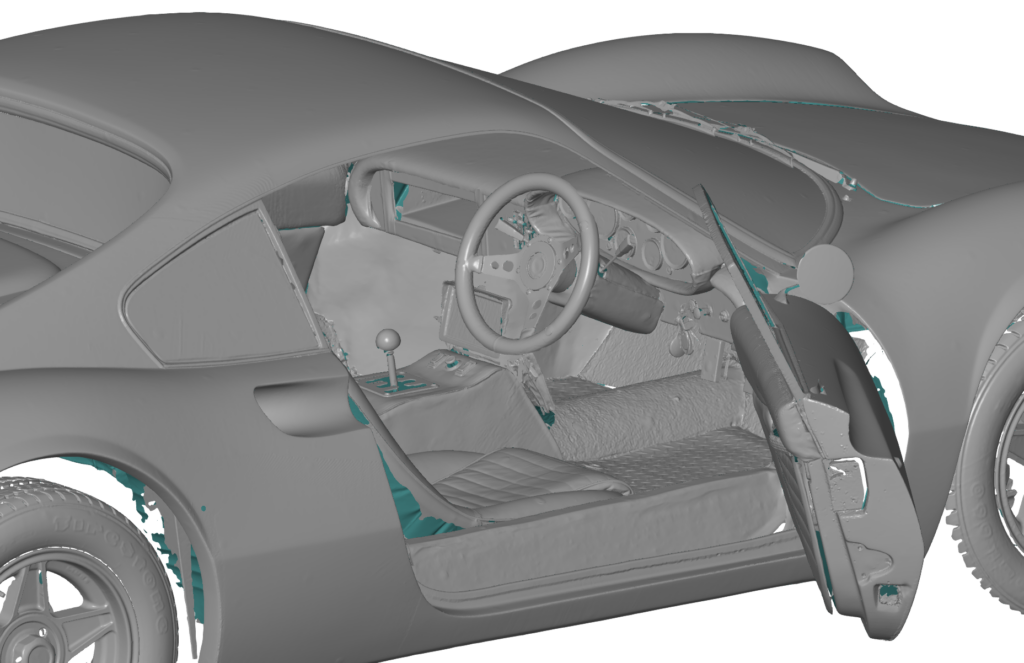
At its core, optical 3D scanning uses advanced imaging systems to capture the exact shape and dimensions of an object, producing highly accurate digital models. Unlike traditional measurement methods, which can be time-consuming and limited in scope, optical scanning captures millions of data points in a matter of seconds. This allows engineers to perform detailed metrology analysis, identify deviations, and validate components against design intent with exceptional accuracy. The ability to rapidly digitise complex surfaces has made optical scanning indispensable in industries where precision is critical, including aerospace, automotive, defence, and nuclear engineering.
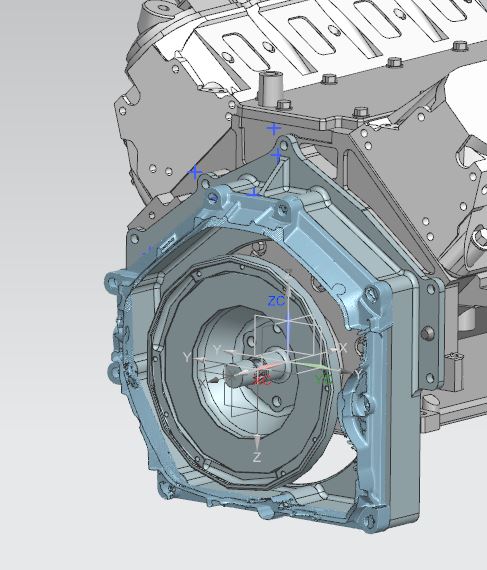
Beyond measurement, optical 3D scanning has become a powerful enabler of reverse engineering. By creating accurate digital representations of existing components, engineers can recreate parts where drawings are missing, incomplete, or outdated. This is particularly valuable when working with legacy systems, where maintaining or replacing components can otherwise be a significant challenge. Scanning also supports the development of new components within defined spatial constraints, ensuring seamless integration into existing assemblies. The combination of speed, accuracy, and flexibility allows organisations to reduce downtime, minimise risk, and maintain operational continuity.
Wrapping Up with Key Insights
As engineering demands continue to evolve, the role of optical 3D scanning is expanding even further. It now supports applications such as rapid prototyping, digital twin creation, and inspection workflows that integrate directly with modern CAD and manufacturing systems. Engineers can also use scan data to inform design improvements, optimise performance, and enhance manufacturability. By providing a reliable digital foundation, optical 3D scanning enables smarter decision-making and more efficient project delivery, ensuring that engineering solutions are both robust and future-ready.
Leave a Reply
You must be logged in to post a comment.